
How to Reduce Car Maintenance Cost in Nepal?
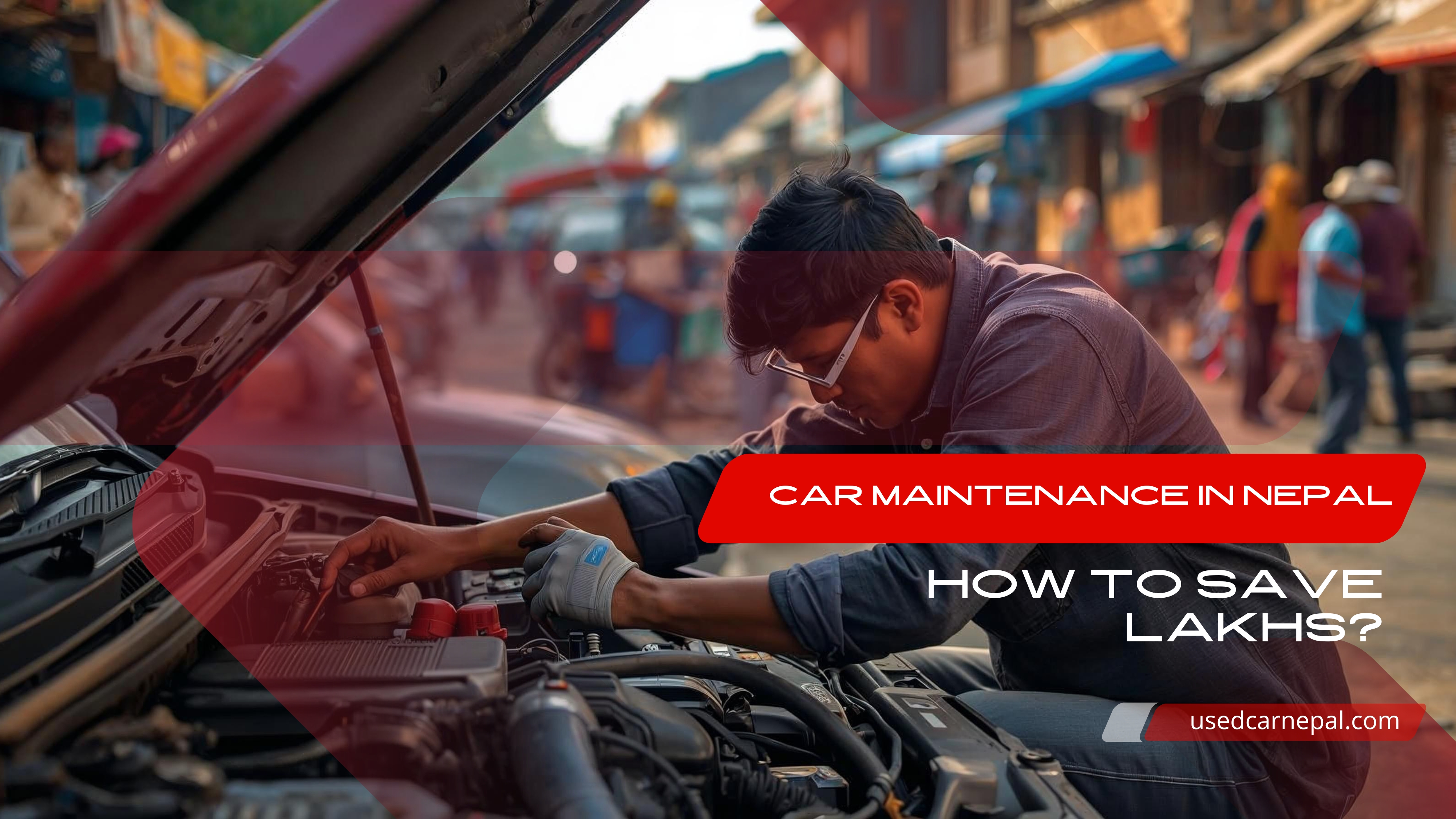
Owning a car in Nepal is both a convenience and a responsibility. From Kathmandu traffic jams to hilly highways and dusty rural roads, vehicles here face conditions that speed up wear and tear. As a result, many drivers struggle to reduce car maintenance costs in Nepal while keeping their vehicles reliable.
This guide offers comprehensive coverage on the subject. It combines practical experience, mechanical best practices, and Nepal-specific insights to help you save money, avoid unnecessary repairs, and extend your car’s lifespan.
Understanding the True Cost of Car Maintenance in Nepal
Nepal’s driving environment is tough on vehicles. Uneven roads, frequent traffic jams, dust, and steep terrain accelerate wear and tear. Imported vehicles also face higher spare-part costs due to taxes and logistics. Another key factor is inconsistent servicing practices. Many car owners delay maintenance until something breaks. Unfortunately, that approach almost always costs more in the long run. To save money on car maintenance, understanding these challenges is the first step.
Before cutting costs, it is important to understand where the money goes. In Nepal, vehicle maintenance expenses typically include:
- Routine servicing (engine oil change, filters, inspections).
- Fuel consumption is affected by traffic and terrain.
- Spare parts cost, often inflated for imported models.
- Wear and tear due to poor road conditions.
- Labor charges at authorized and local workshops.
Urban congestion in Kathmandu, dusty highways in the Terai, and steep hill roads all place unique stress on vehicles. Smart maintenance decisions can significantly reduce unnecessary spending.
Ignoring small issues like wheel alignment or engine vibrations may look cheap today, but it becomes expensive tomorrow.
Preventive Maintenance: The Cost-Saving Foundation
One of the most effective car maintenance tips Nepal drivers can adopt is preventive maintenance. Waiting for a part to fail almost always costs more than maintaining it on time.
Key Preventive Practices
- Follow the manufacturer’s service interval, not just mileage.
- Inspect brakes, suspension, and tires regularly.
- Replace engine oil and filters on schedule.
- Address minor noises or warning lights early.
Preventive care reduces major breakdowns, lowers spare parts costs, and extends vehicle lifespan.
Choose the Right Workshop: Authorized vs Local Mechanics
Many owners assume authorized service centers are always better. In reality, choosing wisely between authorized workshops and local mechanics can save a significant amount.
Authorized Workshops
- Higher labor costs.
- Genuine parts assurance.
- Ideal for new or warranty-covered vehicles.
Local Mechanics
- More affordable car maintenance options are available in Nepal.
- Flexible labor charges.
- Suitable for routine repairs and older vehicles.
We recommend a hybrid approach: use authorized service for major services and electronics, while trusting experienced local mechanics for general maintenance.
Use Genuine or High-Quality Aftermarket Parts Wisely
Not all non-genuine parts are bad, and not all genuine parts are affordable. In Nepal, smart sourcing matters.
Cost-Saving Parts Strategy
- Use genuine parts for the engine, transmission, and safety systems.
- Use high-quality aftermarket parts for wear items like brake pads and filters.
- Avoid extremely cheap parts that fail early.
Building relationships with reliable spare parts shops helps control vehicle maintenance Nepal expenses over time.
Improve Fuel Efficiency to Cut Ongoing Costs
Fuel is one of the largest recurring expenses for car owners. Improving fuel efficiency directly reduces overall ownership cost.
Fuel-Saving Tips
- Maintain proper tire pressure.
- Avoid unnecessary idling in traffic.
- Keep air filters clean.
- Reduce excess vehicle load.
- Drive smoothly without aggressive acceleration.
Better mileage improvement means fewer fuel stops and less engine stress.
Adapt Driving Habits to Nepal’s Road Conditions
Driving habits significantly influence maintenance costs, especially given the road conditions in Nepal.
Smart Driving Practices
- Slow down on rough roads to protect the suspension.
- Avoid riding the clutch in traffic.
- Use engine braking on downhill roads.
- Warm up the engine briefly before driving.
Gentle driving reduces wear on brakes, clutch, tires, and suspension components.
Tire Care: A Small Effort with Big Savings
Tires are often neglected until replacement becomes unavoidable. Proper tire care extends lifespan and improves safety.
Essential Tire Maintenance
- Rotate tires every 8,000–10,000 km.
- Maintain correct air pressure.
- Check wheel alignment regularly.
- Inspect for uneven wear.
Well-maintained tires improve handling and fuel efficiency and reduce unexpected expenses.
Plan Maintenance Based on Usage, Not Just Time
A car driven daily in Kathmandu traffic needs different care than one used occasionally for highway trips.
Usage-Based Maintenance
- Short city drives require more frequent oil changes.
- Long highway runs demand brake and tire inspections.
- Off-road or rural use increases suspension wear.
Tailoring maintenance to real usage helps avoid unnecessary services and costs.
Avoid Common Mistakes That Increase Maintenance Cost
Many expenses are self-inflicted. Avoiding these mistakes can drastically reduce spending.
Costly Errors to Avoid
- Skipping routine servicing.
- Ignoring dashboard warning lights.
- Using an incorrect engine oil grade.
- Delaying minor repairs.
- Trusting unqualified mechanics.
Smart decisions today prevent expensive repairs tomorrow.
Budgeting and Record-Keeping for Long-Term Savings
Tracking expenses gives clarity and control over car servicing costs in Nepal.
Simple Record-Keeping Tips
- Maintain a service log
- Track fuel consumption
- Note parts replacement intervals
- Compare workshop charges periodically
Data-driven ownership leads to smarter spending and better resale value.
Frequently Asked Questions (FAQs)
1. What is the cheapest way to maintain a car in Nepal?
By following preventive maintenance, choosing the right workshop, improving driving habits, and using quality parts wisely.
2. Is local engine oil safe to use?
Only if it meets manufacturer specifications. Always verify quality and certification.
3. Can preventive maintenance really save money?
Yes. It prevents major failures and extends component life significantly.
4. Are aftermarket parts reliable?
High-quality aftermarket parts can be reliable if sourced from trusted suppliers.
5. Does driving style really affect maintenance cost?
Absolutely. Smooth, cautious driving reduces wear on the engine, brakes, and suspension.
Final Thoughts
Learning how to reduce car maintenance costs isn’t about cutting corners; it’s about making smart, informed decisions. Preventive maintenance, better driving habits, and choosing the right service options can save money, improve safety, and extend your car’s life.
Car ownership doesn’t have to be stressful or expensive. With the strategies outlined above, you’ll stay ahead of problems, protect your investment, and enjoy smoother journeys on Nepal’s roads.
Related Posts
Car Maintenance & Ownership in Nepal: Practical Tips for Long-Term Peace of Mind
Car maintenance in Nepal is not about perfection. It is about consistency and awareness. Small habits, like timely servicing and careful driving, go a long way in avoiding costly repairs. Whether you plan to keep your car for years or sell it in the future, responsible ownership ensures safety....



Comments (0)
No comments yet. Be the first to comment!