
Things to Check Before Buying a Used Car in Nepal - Ultimate Guide
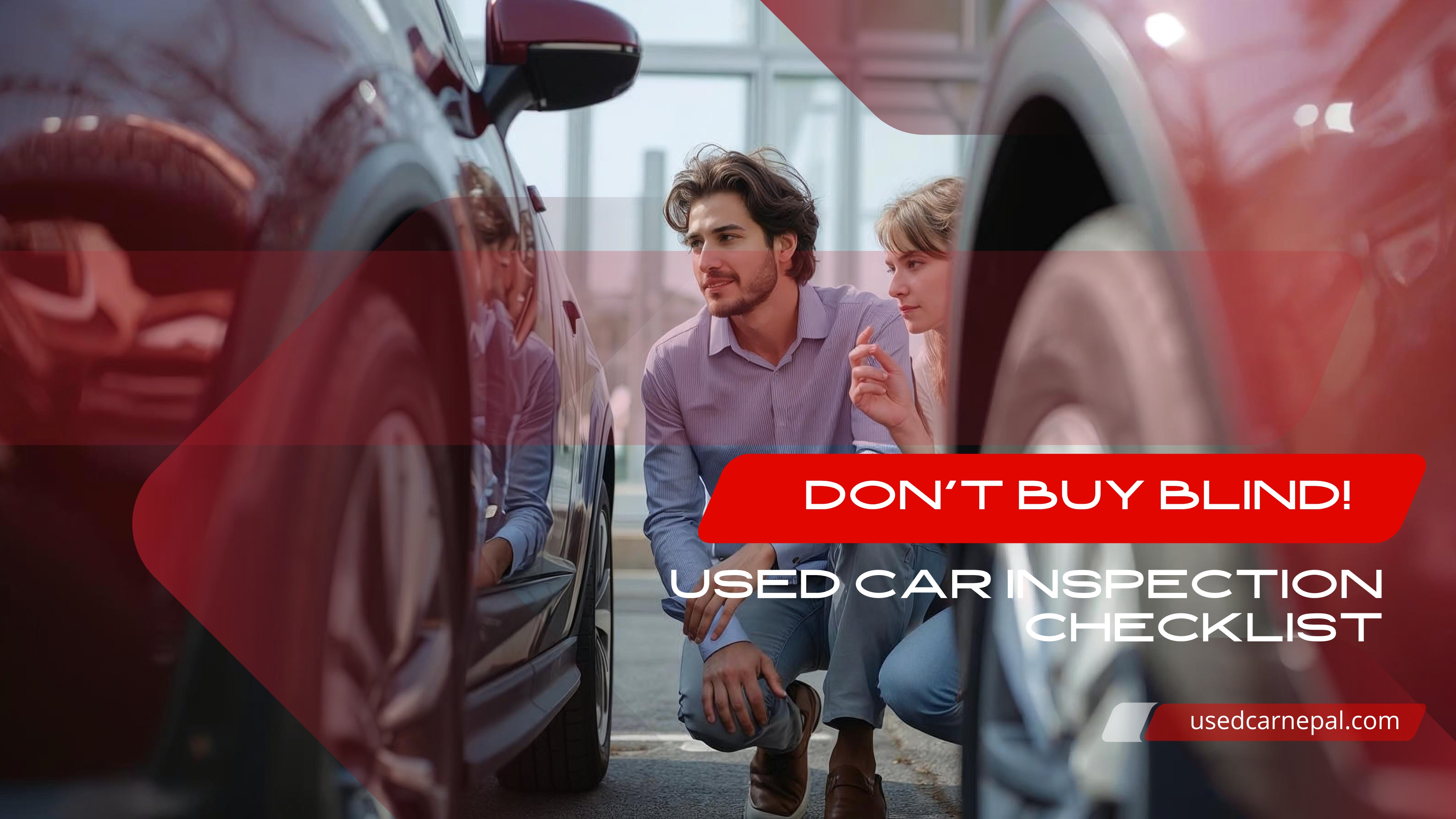
Navigating Nepal's Used Car Market
Buying a used car can be an exciting journey, offering a more affordable path to vehicle ownership. In Nepal, the used car market is vibrant and diverse, presenting numerous opportunities for potential buyers. However, with these opportunities come challenges. Without proper due diligence, you might end up with a vehicle that costs more in repairs than its initial purchase price. This comprehensive guide is designed to empower you with the knowledge and things to check before buying a used car in Nepal, ensuring you make an informed decision and drive away with confidence. We'll walk you through every critical step, from the initial visual inspection to verifying paperwork and understanding the nuances of negotiation. Our goal is to help you navigate the complexities of the market effectively, turning what could be a daunting task into a rewarding experience.
The Initial Visual Inspection: Exterior and Interior Details
The first impression a car makes is often the most telling. A thorough visual inspection, both inside and out, can reveal a lot about a car's history and how well it has been maintained. We'll start by scrutinizing the exterior, then move into the cabin.
Exterior Examination
When we approach the car, our eyes should scan for any inconsistencies or red flags. This step is crucial for identifying potential past accidents or neglect.
Paintwork and Body Panels
- Color Match: Are there any variations in paint color across different panels? This could indicate repainting after an accident.
- Dents, Scratches, and Rust: Minor blemishes are expected on a used car, but extensive dents, deep scratches, or bubbling paint (a sign of rust underneath) should raise concerns. Pay close attention to wheel wells, door sills, and the underside.
- Panel Gaps: Look at the gaps between doors, fenders, hood, and trunk. Are they even and consistent? Uneven gaps can signal poor repair work after a collision.
Tires
- Tread Depth: All tires should have adequate tread depth. Uneven wear across the tire or between different tires can indicate alignment issues, worn suspension components, or improper inflation.
- Brand and Type: Ideally, all four tires should be of the same brand and type.
- Spare Tire: Don't forget to check the spare tire and the availability of a jack and lug wrench.
Lights and Glass
- Headlights, Tail Lights, Indicators: Ensure all lights are intact, free of cracks, and clear. Hazy headlights can affect visibility.
- Windshield and Windows: Check for chips, cracks, or deep scratches that could impair vision or spread over time. Test all power windows to ensure they operate smoothly.
Interior Scrutiny
The interior tells a story about how the car was treated daily. A well-maintained interior often suggests a meticulous owner.
Upholstery and Carpets
- Wear and Tear: Look for rips, tears, stains, or excessive wear on seats, especially the driver's seat. Worn-out upholstery can be expensive to repair.
- Odor: Any lingering unpleasant smells (e.g., smoke, mildew, pet odors) can be hard to remove. A musty smell might indicate water leaks.
Dashboard and Controls
- Warning Lights: Turn the ignition on (without starting the engine) and ensure all dashboard warning lights illuminate and then turn off after the engine starts (if applicable). Any persistent warning light is a definite red flag.
- Functionality: Test all buttons, switches, and controls: AC/heater, radio, power mirrors, wipers, horn. Ensure they work correctly.
- Mileage Discrepancy: Check if the odometer reading looks consistent with the overall wear and tear of the interior. An unusually low mileage with a heavily worn interior might suggest tampering.
Pedals, Steering Wheel, and Gear Stick
- Wear: Excessive wear on the brake, clutch, or accelerator pedals, or on the steering wheel and gear stick, can indicate high mileage, even if the odometer reads low.
- Under the Floor Mats: Lift the floor mats to check for rust, dampness, or signs of water damage.
Under the Hood: Engine and Mechanical Health
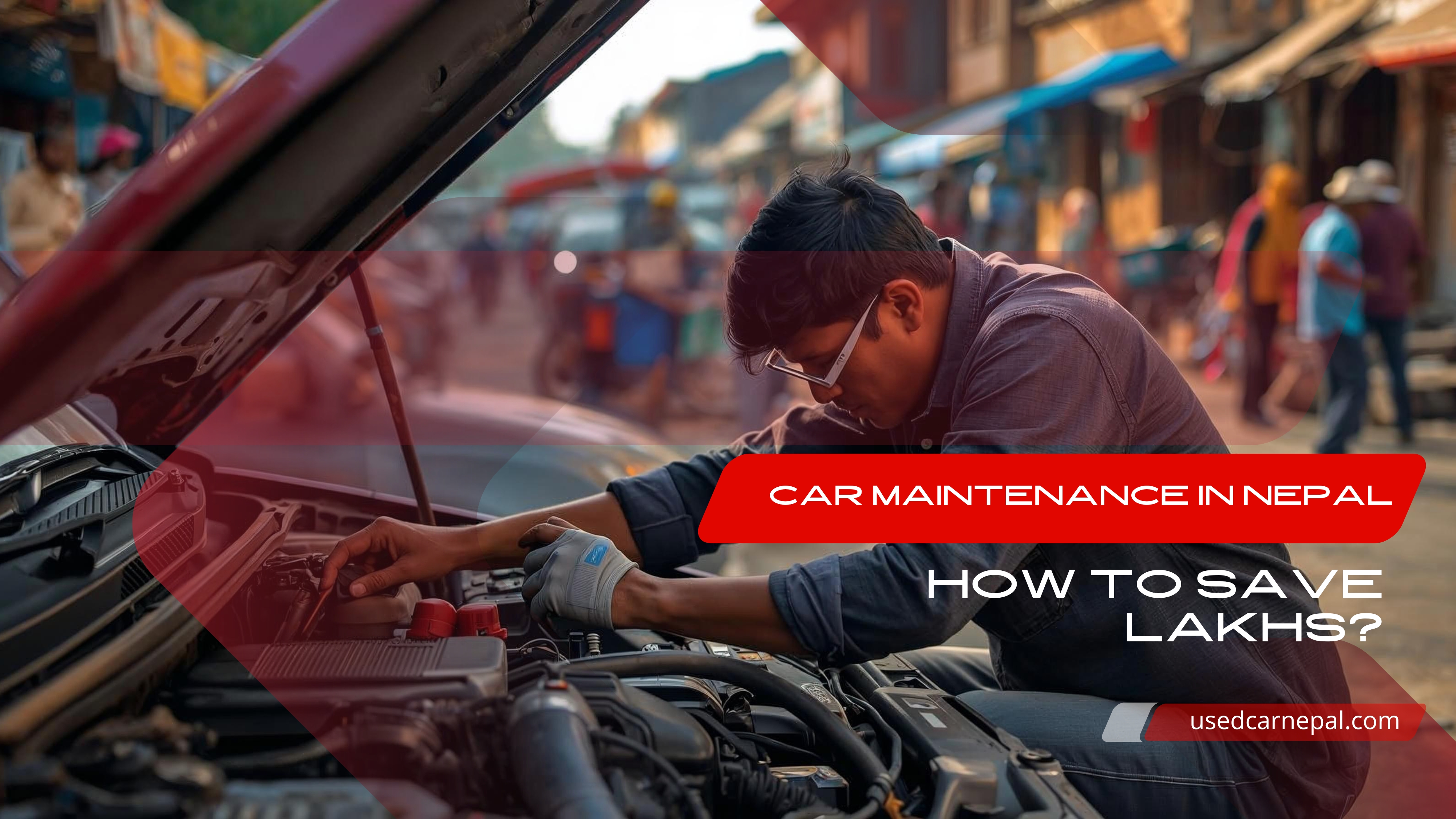
This is where the heart of the car lies. A thorough inspection under the hood is non-negotiable when considering things to check before buying a used car in Nepal. Even if you're not an expert mechanic, there are several visual cues that can help you assess the engine's condition.
Engine Bay Examination
Fluid Leaks
- Oil: Black or dark brown.
- Coolant: Green, pink, or orange.
- Transmission Fluid: Reddish-brown.
- Brake Fluid: Clear to yellowish.
Hoses and Belts
- Cracks or Fraying: Check all rubber hoses and belts for cracks, fraying, or excessive wear. Worn belts can snap, and leaky hoses can lead to overheating.
- Tightness: Belts should feel taut, not loose.
Battery
- Corrosion: Look for white or blue powdery corrosion around the battery terminals. This can indicate a weak battery or charging issues.
- Date: Check the battery's manufacturing date. Batteries typically last 3-5 years.
Engine Oil and Other Fluids
- Engine Oil: Pull out the dipstick. The oil should be amber or light brown, not black and sludgy. A low oil level indicates neglect.
- Coolant: Check the coolant reservoir level and color. It should be clean and at the appropriate level.
- Brake Fluid: Ensure the brake fluid reservoir is filled to the correct level and the fluid isn't excessively dark.
- Rust: While some surface rust on metallic components is normal, excessive rust on structural parts or around the engine mountings is a serious concern.
- Wiring: Look for any loose, exposed, or chewed wires, which could indicate electrical problems or rodent damage.
Exhaust System
Smoke from Exhaust
- Blue Smoke: Indicates burning oil.
- White Smoke (thick, persistent): Suggests burning coolant (head gasket issue).
- Black Smoke: Points to rich fuel mixture or engine issues. A little white vapor on a cold start is usually normal, especially in cooler weather.
- Rust and Damage: Check the exhaust pipe for excessive rust, holes, or dents.
Suspension and Brakes
While harder to assess without lifting the car, we can still perform a quick check.
- "Bounce Test": Push down firmly on each corner of the car and release. The car should bounce once or twice and settle. If it continues to bounce excessively, the shock absorbers might be worn.
- Brake Rotors: Visually inspect the brake rotors (the shiny discs behind the wheels). They should be smooth, not deeply grooved or rusty.
Verifying Paperwork and Legalities
This is arguably the most critical step among the things to check before buying a used car in Nepal. Even a mechanically sound car can turn into a legal nightmare if the paperwork isn't in order.
Essential Documents to Verify
Blue Book (Vehicle Registration Certificate)
- Ownership: Ensure the seller's name matches the name on the blue book. If not, ask for proof of transfer of ownership or a power of attorney.
- Validity: Check the registration expiry date. Ensure all road taxes and renewal fees are paid up to date.
- Vehicle Details: Cross-reference the chassis number and engine number on the blue book with the actual numbers on the car. They must match exactly.
- Model and Year: Confirm the vehicle model, make, and manufacturing year match the documentation.
Insurance Papers
- Validity: Check the insurance policy's expiry date.
- Coverage: Understand the type of coverage (third-party, comprehensive).
- Claim History: Ask about any previous insurance claims, which can reveal accident history.
Service History and Maintenance Records
- Regular Servicing: A car with a complete and consistent service history indicates a well-maintained vehicle. Look for records from authorized service centers or reputable garages.
- Major Repairs: Note any significant repairs or part replacements, especially for critical components like the engine or transmission.
Loan/Hypothecation Status
- No Encumbrance: It's crucial to ensure the car is free from any outstanding loans or hypothecation. If the car was purchased on a loan, the seller must provide a "No Objection Certificate" (NOC) from the bank stating the loan has been fully repaid and the hypothecation removed from the blue book. Without this, you cannot transfer ownership.
- Accident History: While not always documented, ask the seller directly about any accidents. Cross-reference this with insurance claims or repair invoices. In Nepal, traffic police records might also sometimes provide insights into major accidents.
The All-Important Test Drive Experience
No amount of visual inspection or paperwork verification can substitute for the test drive. This is your chance to feel how the car performs on the road and identify any underlying issues.
Before You Drive
- Cold Start: Ask the seller not to start the car before you arrive. A cold start can reveal issues like difficulty starting, excessive smoke, or unusual noises.
- Warning Lights: Once the engine is on, ensure all dashboard warning lights (check engine, oil pressure, battery, ABS) illuminate briefly and then turn off.
- Idling: Listen to the engine idle. It should be smooth and consistent, without excessive vibrations or irregular sounds.
During the Drive
Choose a route that allows you to experience various driving conditions – city streets, open roads, and if possible, some uneven terrain.
Engine Performance
- Acceleration: Does the car accelerate smoothly? Is there any hesitation, sputtering, or loss of power?
- Engine Noise: Listen for any knocking, ticking, whining, or grinding sounds, especially during acceleration or deceleration.
Transmission
- Automatic: Shifts should be smooth and timely, without jerking, slipping, or delayed engagement.
- Manual: The clutch should engage smoothly, and gears should shift without grinding or excessive force.
Steering
- Responsiveness: The steering should feel precise and responsive.
- Pulling: Does the car pull to one side when driving straight? This could indicate an alignment issue.
- Vibrations: Any vibrations in the steering wheel, especially at higher speeds, could point to tire imbalance or suspension issues.
Brakes
- Effectiveness: Test the brakes in a safe area. They should feel firm and stop the car effectively without excessive pedal travel.
- Noises: Listen for squealing, grinding, or pulsating sensations, which could indicate worn pads, warped rotors, or ABS issues.
- Pulling: The car should not pull to one side during braking.
Suspension
- Ride Comfort: How does the car handle bumps and uneven roads? Excessive bouncing, harshness, or clunking noises indicate worn shock absorbers or suspension components.
- Air Conditioning and Heating: Test both to ensure they blow cold/hot air effectively and the fan speeds work.
- Electricals: Check all lights (headlights, high beams, indicators), wipers, horn, and radio during the drive.
Seeking Professional Expertise: Pre-Purchase Inspection (PPI)
Even after your thorough checks and test drive, some issues can only be identified by a trained professional. A Pre-Purchase Inspection (PPI) is an invaluable investment and one of the most critical things to check before buying a used car in Nepal.
What is a PPI?
A PPI is a comprehensive inspection of a used vehicle conducted by an independent, certified mechanic. This goes far beyond what you can check on your own, involving specialized tools and expertise.
- Comprehensive Check: A PPI typically includes:
- A diagnostic scan for error codes.
- Inspection of the undercarriage for rust, damage, or leaks.
- Detailed examination of the engine, transmission, suspension, brakes, and electrical systems.
- Assessment of structural integrity and past accident damage.
- Fluid analysis.
- Unbiased Opinion: The mechanic works for you, providing an objective assessment of the car's condition, potential future repairs, and estimated costs.
- Negotiation Leverage: A PPI report can uncover issues that give you strong leverage to negotiate a lower price or request the seller to fix them before purchase.
Finding a Reputable Mechanic
- Ask for Recommendations: Seek advice from friends, family, or online communities in Nepal for trusted mechanics or workshops.
- Independent Garages: Opt for an independent garage rather than the seller's preferred mechanic. This ensures impartiality.
- Specialization: If you're buying a specific make or model, look for a mechanic with expertise in that brand.
Cost vs. Benefit
The cost of a PPI in Nepal might range from NPR 2,000 to NPR 5,000, depending on the mechanic and the depth of the inspection. This small investment can save you tens or even hundreds of thousands of rupees in potential repair costs down the line. As one automotive expert often says, "A good PPI doesn't cost you money; it saves you money." It's peace of mind worth paying for.
Financial Planning and Negotiation Strategies
Once you've found a promising car and completed all inspections, the next step is to finalize the deal. Effective financial planning and smart negotiation are key.
Budgeting Beyond the Sticker Price
Remember that the purchase price is just one component of car ownership.
- Purchase Price: The agreed-upon price of the car.
- Transfer of Ownership Fees: Government fees for transferring the blue book to your name. These can vary based on the vehicle type and district.
- Insurance: Budget for renewing the insurance policy, especially if the existing one is nearing expiry.
- Initial Maintenance: Even a well-inspected used car might need a basic service (oil change, filter replacement) soon after purchase.
- Future Repairs: Set aside a contingency fund for unexpected repairs, as used cars are more prone to them than new ones.
- Fuel Costs: Factor in your estimated monthly fuel expenses.
Market Research and Price Comparison
- Online Platforms: Use Nepali online marketplaces (e.g., Hamrobazar, CarsNepal) to research prices of similar make, model, year, and mileage cars.
- Local Dealerships: Visit a few used car dealerships to get a sense of current market rates.
- Depreciation: Understand how specific models depreciate in the Nepali market.
Negotiation Strategies
Armed with information, you're ready to negotiate.
- Be Prepared: Have your budget in mind and know the market value of the car.
- Highlight Flaws (Tactfully): Use any issues uncovered during your inspection or PPI as leverage for price reduction. For example, "The mechanic noted the tires will need replacing soon, which will cost me X amount."
- Don't Rush: Don't let the seller pressure you into a quick decision. Be prepared to walk away if the deal doesn't feel right.
- Offer a Fair Price: Start with an offer slightly lower than your target price, leaving room for negotiation.
- Consider "As Is" vs. Repairs: If the seller is unwilling to budge on price, you might propose that they fix certain issues before purchase.
- Payment Method: Discuss preferred payment methods (bank transfer, cash) and ensure all transactions are documented.
Frequently Asked Questions (FAQs)
We often encounter common questions from buyers looking for things to check before buying a used car in Nepal. Here are some of the most frequent ones:
How old is too old for a used car in Nepal?
There's no definitive "too old" age, as it depends on maintenance and model. However, cars older than 10-12 years might face increasing maintenance costs and difficulty finding spare parts for certain less common models. For practical purposes, many buyers in Nepal prefer cars that are 5-8 years old, as they offer a good balance of depreciation and remaining lifespan.
Is it safe to buy a used car directly from an individual seller or through a dealer?
Both options have pros and cons. Buying from an individual often allows for more direct negotiation and potentially a lower price, but you bear more responsibility for verifying everything. Dealers might offer some warranties or guarantees, and handle paperwork more smoothly, but their prices are typically higher. Regardless of the source, always perform all the checks outlined in this article.
What are the typical costs associated with transferring ownership in Nepal?
Ownership transfer fees are set by the government (Department of Transport Management) and depend on the vehicle's engine capacity and district. You'll also need to factor in notary fees for affidavits and potentially agent fees if you use one. It's best to inquire about the exact current rates at your local transport management office (Yaatayat Karyalaya).
Should I be concerned about cars with modified engines or exteriors?
While some modifications are purely aesthetic and harmless, significant engine or structural modifications can be a red flag. They might indicate the car was used for racing, or the modifications might not be road-legal or properly engineered, potentially compromising safety and reliability. Always exercise extra caution and get such vehicles thoroughly inspected by a specialist.
Conclusion: Drive Away with Confidence
Buying a used car in Nepal can be a fantastic way to gain personal mobility and independence. However, it requires diligence, patience, and a methodical approach. By meticulously following the steps we've outlined – from the initial visual inspections and thorough mechanical checks to verifying all legal documents, conducting a comprehensive test drive, and investing in a professional pre-purchase inspection – you significantly reduce the risk of unforeseen problems.
Remember, knowledge is your most powerful tool in the used car market. Don't be afraid to ask questions, take your time, and if something feels off, walk away. By being prepared and diligent about all the things to check before buying a used car in Nepal, you can confidently navigate the market, secure a great deal, and enjoy your new-to-you vehicle for years to come.
Related Posts
Petrol vs Diesel Cars in Nepal - Detail Ownership Comparison
IntroductionChoosing between a petrol car and a diesel car in Nepal is not just a technical decision—it is a long-term ownership commitment that affects running costs, maintenance, resale value, and overall driving experience. With fluctuating fuel p...
How to Buy a Used Car in Nepal: Complete Guide (2026)
Learn how to buy a used car in Nepal safely in 2026. From budget planning and car inspection to document verification and ownership transfer, this guide covers everything.
Comments (0)
No comments yet. Be the first to comment!