
How Often Should You Service Your Car in Nepal? The Ultimate Essential Guide
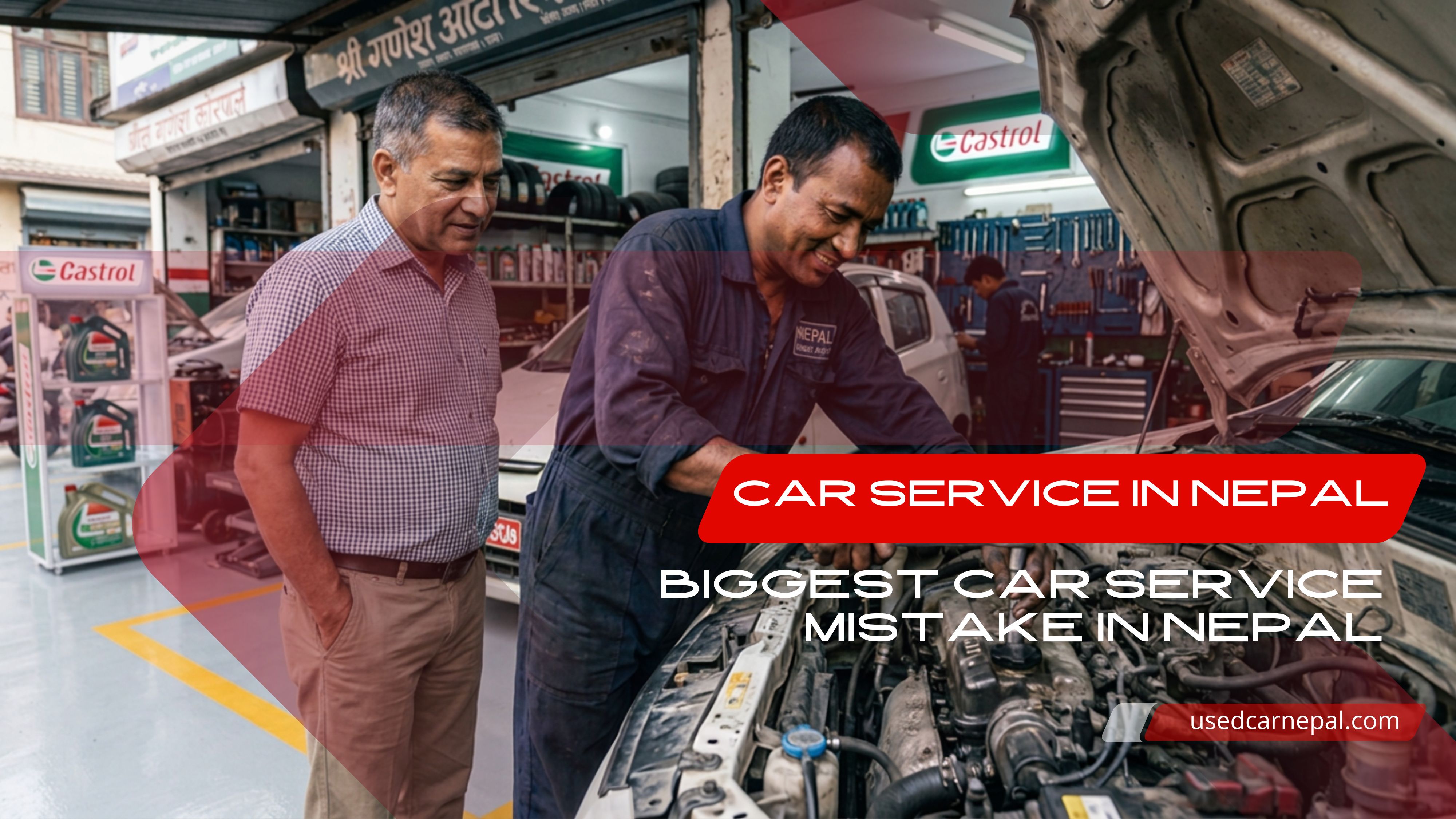
Why Is Car Servicing in Nepal Different From Other Countries?
When people ask how often you should service your car in Nepal, the honest answer is more frequently than you might think. Nepal's geography, road infrastructure, and climate create a unique set of challenges that no standard international car manual fully accounts for. From the dusty Terai plains to the winding mountain roads of Mustang and Solukhumbu, your vehicle works significantly harder here than it would on smooth European motorways or well-maintained Indian highways.
Nepal's road network includes a mix of blacktopped highways, gravel roads, and dirt tracks. Many urban roads in Kathmandu and Pokhara are riddled with potholes, speed bumps, and construction zones. Outside the valley, you're looking at steep gradients, hairpin bends, and unpaved stretches that test your suspension, brakes, and engine cooling system to their absolute limits.
Add to that the country's fuel quality variability, the occasional shortage of specific spare parts, and the growing density of vehicles on city roads, and it becomes crystal clear why a customized car servicing schedule is not just helpful; it's essential. Skipping or delaying a service in Nepal doesn't just risk a breakdown; it can put your safety and the safety of your passengers in serious jeopardy.
Understanding Nepal's Road and Climate Conditions
Nepal's climate varies dramatically depending on elevation and region. The Terai region experiences scorching summers that can push temperatures above 40°C, causing engine oil to thin out faster and cooling systems to work overtime. Meanwhile, the hilly and mountainous regions see cold winters where temperatures can drop below freezing, causing battery performance to drop and engine fluids to thicken.
The monsoon season, typically from June to September, brings its own set of problems. Flooded roads, muddy tracks, and high humidity accelerate rust, clog air filters, and put enormous stress on wiper systems, brakes, and undercarriage components. Landslides and debris on mountain roads can cause unexpected damage to tires, exhaust systems, and wheel alignment.
Understanding these conditions is the first step toward building a smarter car maintenance routine. It's not about being overly cautious; it's about being intelligent with your investment.
How Altitude and Dust Affect Your Vehicle?
One factor that's often overlooked is altitude. If you're driving through passes like Thorong La or even regularly commuting through hilly areas above 2,000 meters, your engine is working in thinner air. This affects fuel combustion efficiency, turbocharger performance, and overall power output. Diesel engines, in particular, can develop carbon deposits more quickly under these conditions.
Dust is another persistent enemy. Nepal's unpaved roads generate fine particulate matter that penetrates air filters, clogs fuel injectors, and grinds away at brake pads at a faster rate than usual. Replacing your air filter more frequently, sometimes every 5,000 km on dusty routes, is a practical step that protects your engine and maintains fuel efficiency.
The Standard Car Service Schedule You Should Follow
So, how often should you service your car in Nepal, given all these factors? A general rule of thumb, adapted for local conditions, looks like this:
- Minor Service: Every 5,000 km or 3 months, whichever comes first.
- Intermediate Service: Every 10,000 km or 6 months.
- Major Service: Every 20,000 km or 12 months.
These intervals are shorter than what most international manufacturers recommend because of the demanding conditions described above. Let's break each one down.
Every 5,000 km: Minor Service Checklist
A minor service is your vehicle's routine health check. It's quick, affordable, and prevents small problems from turning into expensive repairs. Here's what a minor service typically covers in Nepal:
| Service Item | Why It Matters |
|---|---|
| Engine oil and filter change | Removes contaminants, protects engine internals |
| Air filter inspection/replacement | Prevents dust from entering the engine |
| Tyre pressure check and rotation | Ensures even wear and fuel efficiency |
| Brake fluid level check | Critical for safe stopping |
| Battery terminal cleaning | Prevents corrosion-related starting issues |
| Wiper blade inspection | Essential during the monsoon season |
| Visual check of belts and hoses | Catches wear before it causes failure |
Many Nepali drivers skip this short-interval service, thinking it's unnecessary if the car "feels fine." That's a costly mistake. In Nepal's conditions, engine oil breaks down faster due to heat, dust, and stop-and-go traffic. Waiting until 10,000 km to change oil, especially in city driving, can cause engine sludge buildup that leads to premature wear.
Every 10,000 km: Intermediate Service Checklist
The intermediate service builds on the minor service and digs a bit deeper into your car's mechanical health. This is where technicians look at components that don't need monthly attention but do wear out steadily. Here's what's typically included:
- Engine oil and filter change. (again)
- Spark plug inspection. (petrol engines)
- Fuel filter replacement.
- Coolant level and condition check.
- Transmission fluid inspection.
- Brake pad thickness measurement.
- Steering and suspension component check.
- Wheel alignment and balancing.
Wheel alignment deserves special mention. Nepal's roads are notorious for causing misalignment. If you've hit a pothole hard, it's almost guaranteed that your alignment may be off, even if the car doesn't feel dramatically different. Misalignment causes uneven tire wear, reduces fuel efficiency, and puts extra stress on steering components.
Every 20,000 km: Major Service Checklist
The major service is the comprehensive overhaul that keeps your car running efficiently for years. It goes beyond routine maintenance and addresses components with longer replacement cycles. A typical major service in Nepal includes:
- Full engine diagnostics.
- Timing belt or chain inspection. (replacement if due)
- Gearbox and differential fluid replacement.
- Brake disc inspection and potential replacement.
- Coolant system flush and refill.
- Cabin air filter replacement.
- Exhaust system inspection.
- Battery load test.
- Full undercarriage inspection for rust and damage.
Timing belt replacement is one of the most important and most neglected services in Nepal. If your timing belt snaps while driving, it can cause catastrophic engine damage that costs significantly more to repair than the belt itself. Don't skip this one.
Seasonal Servicing: Preparing for Monsoon and Winter
Beyond kilometre-based schedules, Nepal's dramatic seasonal changes demand specific attention. Thinking about your car's health in seasonal terms is one of the most practical approaches for Nepali drivers.
Monsoon Car Care Tips for Nepal
Before the monsoon hits, here's what smart car owners do:
- Check and replace wiper blades: You'll be using them daily for months.
- Inspect tyre tread depth: Wet roads demand proper grip; 1.6mm is the legal minimum, but 3mm is safer.
- Seal door and window rubbers: Prevents water ingress and interior damage.
- Treat the underbody with anti-rust coating: Reduces corrosion from mud and standing water.
- Test brake performance: Wet brakes take longer to respond; worn pads are dangerous.
- Clear drainage holes in doors and sills: Prevents water accumulation inside door panels.
During the monsoon, you should also wash your car's undercarriage more frequently. Mud and debris trap moisture against metal surfaces and significantly accelerate rust, especially on older vehicles with compromised underbody protection.
Winter Driving Preparation in Hilly Regions
For drivers in Kathmandu Valley, Pokhara, and especially those travelling to higher-altitude areas in winter, cold-weather preparation is essential:
- Switch to a lower-viscosity engine oil (e.g., 5W-30 instead of 10W-30) that flows easily in cold temperatures.
- Test and possibly replace the battery; cold weather reduces battery capacity significantly.
- Check antifreeze/coolant concentration; it should protect to at least -10°C for most Nepalese conditions.
- Inspect the heater and defogger operation before you need them urgently.
- Consider carrying snow chains if travelling to Mustang, Manang, or similar mountain regions.
Signs Your Car Needs Immediate Servicing
Sometimes your car tells you it needs attention before your scheduled interval. In Nepal, where roadside assistance and repair facilities can be scarce outside major cities, catching these warning signs early is critical.
Don't Ignore These Warning Signs:
- Dashboard warning lights: Any light that stays on (check engine, oil pressure, battery) needs investigation immediately.
- Unusual noises: Knocking, grinding, squealing, or rattling sounds indicate mechanical issues.
- Smoke from the bonnet: Overheating or an oil leak onto hot engine components.
- Vibration while driving: Could indicate tire, brake, or suspension issues.
- Pulling to one side: Alignment, brake, or steering problem.
- Reduced fuel efficiency: Often a sign of a clogged filter, spark plug issues, or tire pressure problems.
- Difficulty starting: Battery, alternator, or fuel system concern.
- Burning smell: Clutch wear, brake overheating, or electrical fault.
If you notice any of these symptoms, don't wait for your scheduled service date. Take your vehicle to a trusted workshop as soon as possible.
Choosing the Right Service Center in Nepal
Knowing how often you should service your car in Nepal is only half the battle; where you get it serviced matters enormously. Nepal has a wide spectrum of service options, from brand-authorized service centers in Kathmandu to roadside mechanics in smaller towns.
Authorized vs. Local Workshops: What's Better?
| Factor | Authorized Service Center | Local Workshop |
|---|---|---|
| Cost | Higher | Lower |
| OEM spare parts | Guaranteed | Variable |
| Trained technicians | Yes | Sometimes |
| Warranty preservation | Yes | May void warranty |
| Diagnostic equipment | Modern tools | Often basic |
| Availability | Major cities only | Widely available |
| Turnaround time | Longer (queue) | Faster |
For vehicles still under the manufacturer's warranty, always use authorized service centers. Post-warranty, a reputable local workshop that uses genuine parts can be an excellent, more affordable alternative. Ask for receipts and part numbers whenever possible to track your service history.
For reference on international standards and best practices in vehicle maintenance, the UK's Driver and Vehicle Standards Agency (DVSA) offers guidance that many Nepali automotive professionals refer to when establishing service protocols.
Cost of Car Servicing in Nepal: What to Expect
Car servicing costs in Nepal vary by vehicle make, model, service type, and location. Here's a rough estimate to help you budget:
| Service Type | Estimated Cost (NPR) |
|---|---|
| Minor Service (oil + filter) | 3,000 – 6,000 |
| Intermediate Service | 8,000 – 15,000 |
| Major Service | 20,000 – 50,000+ |
| Tyre rotation and balancing | 1,500 – 3,000 |
| Wheel alignment | 1,500 – 2,500 |
| Brake pad replacement (per axle) | 4,000 – 10,000 |
| Timing belt replacement | 10,000 – 25,000 |
Japanese brands like Toyota, Honda, and Suzuki tend to have more affordable spare parts availability in Nepal compared to European brands. Hyundai and Kia parts have also become more accessible in recent years. Always get a written estimate before authorizing any major repair.
7 Proven Tips to Extend Your Car's Life in Nepal
Beyond regular servicing, these practical habits will help your vehicle go the distance on Nepal's challenging roads:
- Warm up your engine briefly: Before driving, especially on cold mornings in hilly areas, 30 to 60 seconds is sufficient for modern engines.
- Avoid overloading your vehicle: Nepal's mountain roads make overloading especially dangerous and hard on brakes and suspension.
- Use genuine spare parts: Counterfeit parts are surprisingly common in Nepal and can fail unexpectedly.
- Keep a basic toolkit in your car: A jack, spare tire, jumper cables, and basic tools can save you on remote roads.
- Monitor tyre pressure monthly: Altitude and temperature changes in Nepal affect pressure more than in flat regions.
- Don't ignore small leaks: Oil, coolant, and brake fluid leaks are always progressive; fix them early.
- Maintain a service logbook: Tracking your service history improves resale value and helps mechanics diagnose issues faster.
Frequently Asked Questions (FAQs)
How often should you service your car in Nepal if you mainly drive in Kathmandu Valley?
For city driving in Kathmandu, a minor service every 5,000 km or 3 months is recommended due to heavy traffic, stop-and-go driving, and dusty conditions. This maintains oil quality and filter performance in congested urban conditions.
Can I use the manufacturer's recommended service interval in Nepal?
Most manufacturers design service intervals for ideal road conditions. In Nepal, those intervals are too long. Reduce them by 20–30% to account for demanding roads, dust, heat, and altitude. Your engine will thank you.
What's the most important car service to do before the monsoon?
Tire inspection and wiper blade replacement are the two most critical pre-monsoon tasks. Both directly impact your ability to control and see the road in heavy rain, which is a genuine safety matter in Nepal's conditions.
Is it safe to use local workshop mechanics for car servicing in Nepal?
Yes, many local mechanics in Nepal are highly skilled and experienced, particularly with popular Japanese vehicles. Choose a workshop with a track record, ask for genuine parts, and always get a receipt. Avoid workshops that can't provide part numbers or written estimates.
How often should engine oil be changed in Nepal's mountain regions?
In high-altitude driving above 2,500 meters, engine oil should be changed every 4,000–5,000 km. The combination of altitude-related combustion changes and temperature fluctuations degrades oil faster than at lower elevations.
Does servicing frequency change for older vehicles in Nepal?
Absolutely. Vehicles older than 10 years or with more than 150,000 km on the clock should be serviced more frequently — consider a minor check every 3,000–4,000 km. Older seals, hoses, and components are more vulnerable to Nepal's demanding conditions.
Conclusion
Understanding how often you should service your car in Nepal is genuinely one of the most important things you can do as a vehicle owner in this country. Nepal's roads, climate, and terrain are demanding in ways that international service schedules simply don't account for. By following a locally adapted service schedule, minor every 5,000 km, intermediate every 10,000 km, and major every 20,000 km, and paying attention to seasonal and warning sign-based servicing, you protect your investment, keep your passengers safe, and ensure your car is always ready for whatever the road ahead throws at you.
Nepal's roads are challenging, but with the right maintenance routine, your vehicle can handle them with confidence for years to come. Stay proactive, stay informed, and keep your car in peak condition because in Nepal, a well-serviced car isn't a luxury; it's a necessity.
Related Posts
How to Reduce Car Maintenance Cost in Nepal?
Owning a car in Nepal is both a convenience and a responsibility. From Kathmandu traffic jams to hilly highways and dusty rural roads, vehicles here face conditions that speed up wear and tear. As a result, many drivers struggle to reduce car mainten...
Car Maintenance & Ownership in Nepal: Practical Tips for Long-Term Peace of Mind
Car maintenance in Nepal is not about perfection. It is about consistency and awareness. Small habits, like timely servicing and careful driving, go a long way in avoiding costly repairs. Whether you plan to keep your car for years or sell it in the future, responsible ownership ensures safety....

Comments (0)
No comments yet. Be the first to comment!